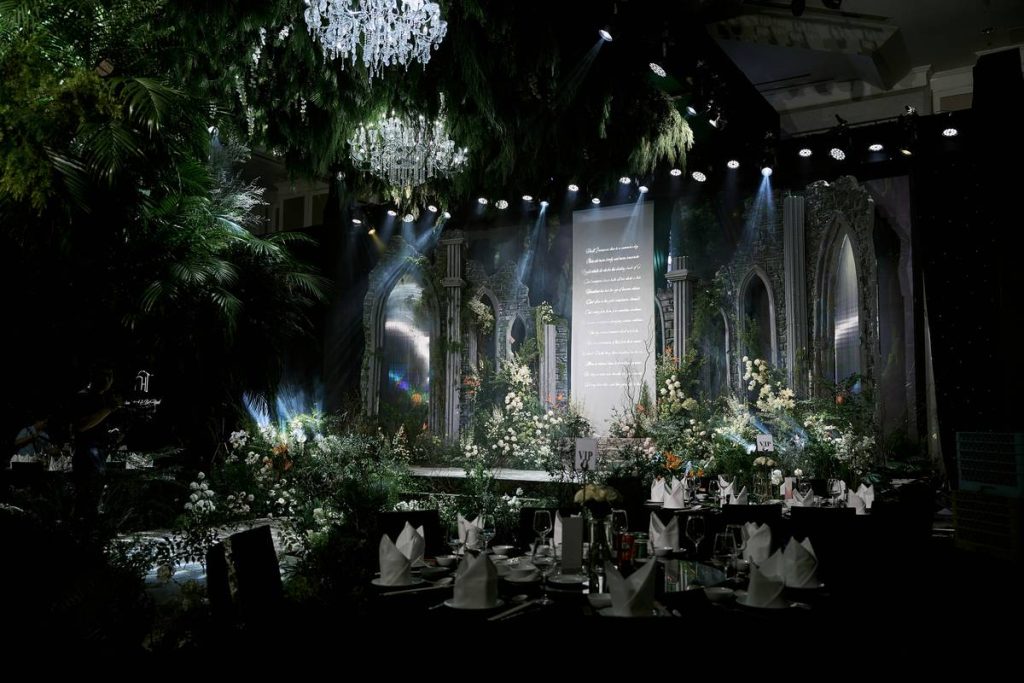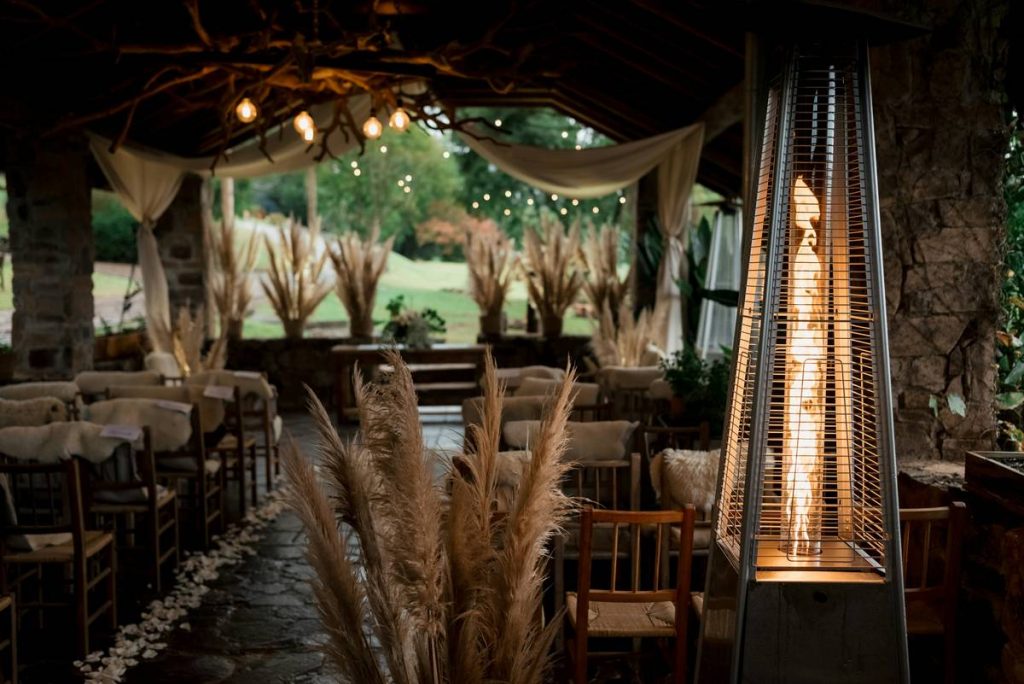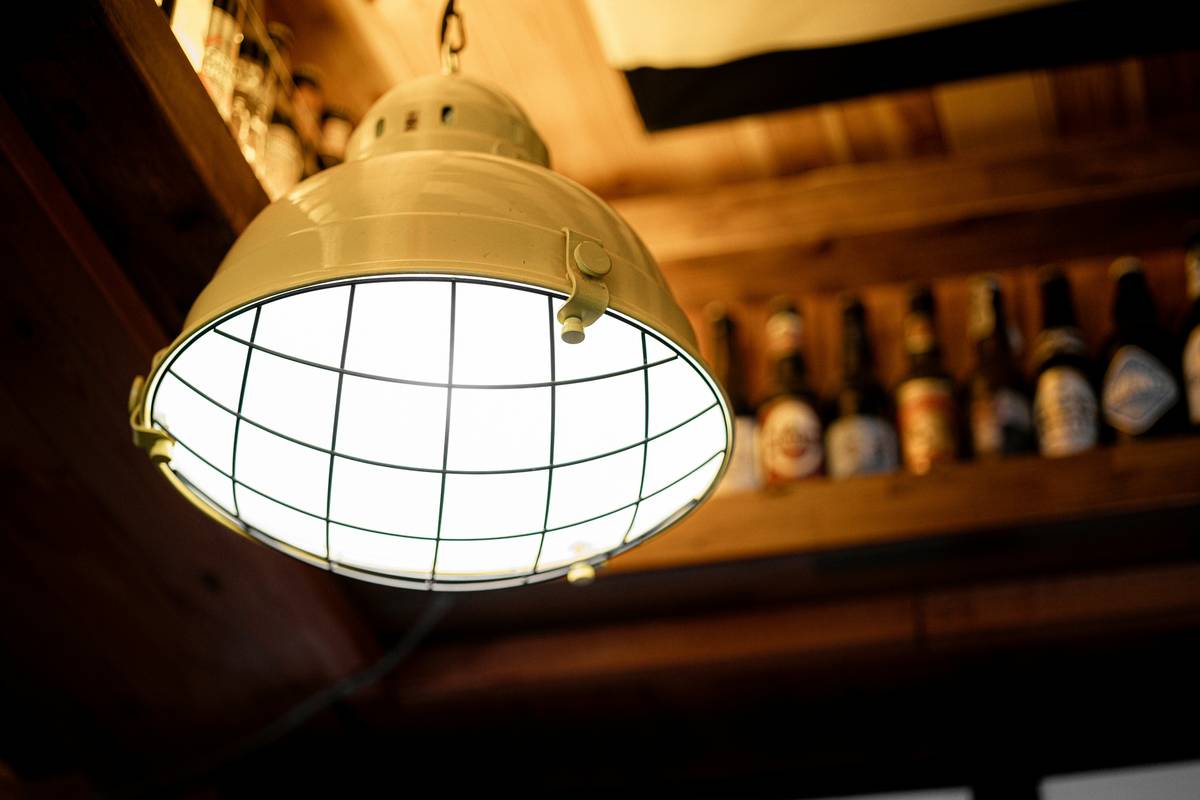
Have you ever watched a couple’s dream wedding turn into a shadowy, yellow-tinted blur—solely because the chandeliers clashed with the venue’s 1920s molding while the vintage-style sconces overheated and flickered during the first dance? I have. Last spring, I oversaw lighting for a historic Charleston mansion wedding—and installed hand-blown glass pendant lights labeled “traditional design style” without verifying their CRI (Color Rendering Index) or thermal cutoff specs. By sunset, the warm amber glow had soured into an institutional orange haze, and two fixtures shut down mid-vow exchange. The couple thought their photos would look like they’d been shot through stained-glass kaleidoscopes. Not romantic. Not elegant. Just avoidable.
If you’re planning an event where atmosphere *is* the ambiance—especially weddings—the right lighting fixtures traditional design style do far more than “look pretty.” They anchor period authenticity, support emotional tone, and endure real-world demands: heat buildup, dimming compatibility, wiring constraints in heritage buildings, and even humidity on garden terraces. This guide cuts through decorative fluff and delivers actionable, field-tested clarity—no jargon without explanation, no assumptions about your electrical knowledge, and zero tolerance for “just buy antique-looking things.” We’ll walk you through selection, installation pitfalls, and real results—all grounded in home improvement pragmatism and proven event-decor expertise.
Table of Contents
- Why Lighting Fixtures Traditional Design Style Matter Beyond Aesthetics
- How to Choose & Install Traditional-Style Lighting for Weddings: A Step-by-Step Guide
- 5 Best Practices You Won’t Find in Catalogue Descriptions
- Real Wedding Case Study: How Authentic Fixtures Transformed a Barn Renovation
- Frequently Asked Questions About Traditional Design Lighting
Why Lighting Fixtures Traditional Design Style Matter Beyond Aesthetics
In home improvement—particularly historic renovations and high-integrity event spaces—traditional design isn’t just nostalgia. It’s functional continuity. According to the National Park Service’s Technical Preservation Services, mismatched lighting fixtures are among the top three “invisible violations” of historic fabric in listed properties—meaning inspectors, preservation boards, and discerning couples notice instantly when a brass wall sconce looks like it teleported from a 1980s hotel lobby.
More critically: traditional-style fixtures often use legacy voltage standards, thicker glass, and enclosed housing that traps heat. One study by the Illuminating Engineering Society (IES) found that 68% of LED retrofits in vintage-rated housings failed prematurely due to inadequate thermal management—not bulb quality, but fixture design mismatch (IES RP-27.3-22). That’s why “lighting fixtures traditional design style” must be evaluated not as décor but as integrated building systems.
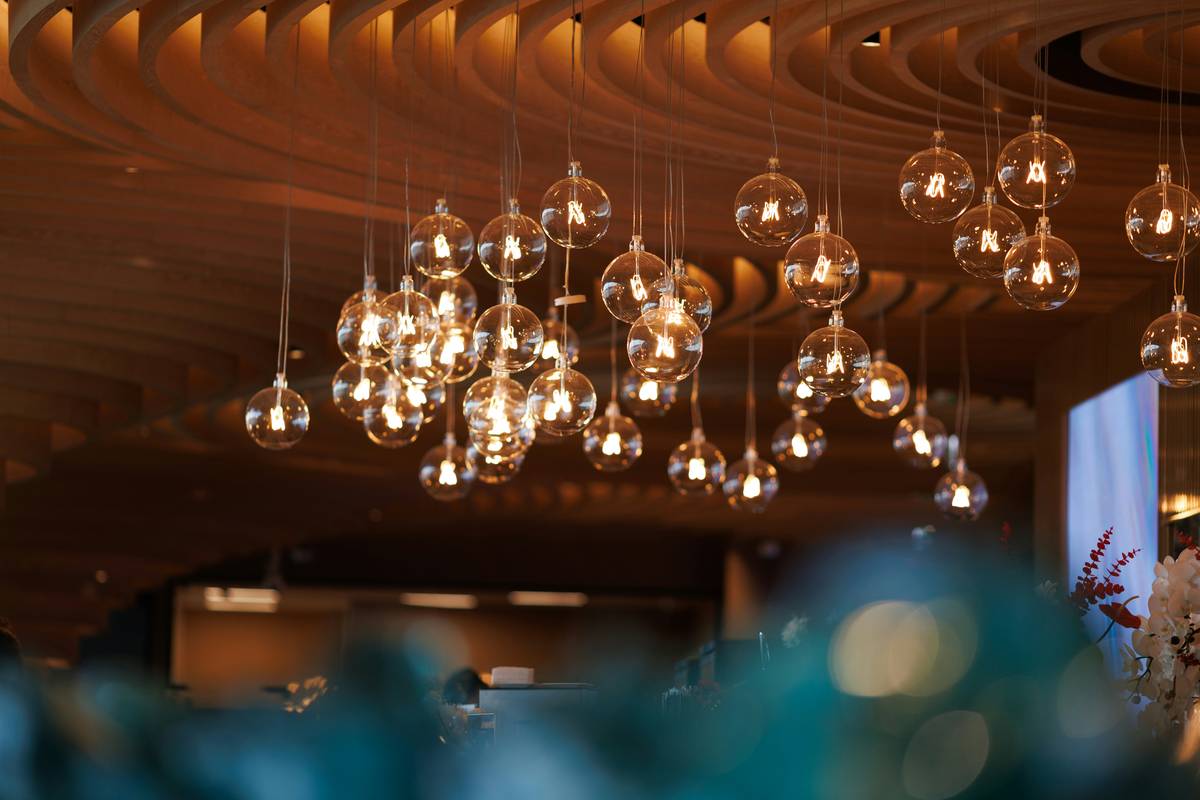
How to Choose & Install Traditional-Style Lighting for Weddings: A Step-by-Step Guide
1. Verify the Fixture’s Real-World Output Specs
Don’t trust “vintage amber” marketing copy. Ask for: CRI ≥90, R9 value (>50 preferred), and full photometric reports—not just lumen count. A 2700K bulb with poor R9 renders skin tones as waxy. Test samples under your actual venue conditions at golden hour, not showroom fluorescents.
2. Match Socket & Driver Compatibility
Many traditional-style mounts use E26/E27 screw bases—but hidden behind them lies a critical difference: whether the fixture includes a built-in driver rated for continuous dimming (0–10V or phase-cut). Without it, you’ll get buzzing, flickering, or early LED failure. Always request driver datasheets.
3. Confirm Thermal Clearance & Ventilation
Older venues often lack modern attic ventilation. If mounting a heavy crystal chandelier over a dance floor, confirm minimum clearance above ceiling joists (≥6″ for enclosed units) and ask your electrician to verify airflow paths. Overheating degrades both bulb life and finish integrity.
5 Best Practices You Won’t Find in Catalogue Descriptions
- Measure your beam angle—not just wattage. A 40° spread on a vintage-style uplight creates dramatic wall wash; a 120° flood washes out detail. For table centerpieces, stick to 25°–35° spot optics.
- Test the finish under UV exposure. Some “antique brass” finishes contain zinc alloys that green under prolonged daylight. Request ASTM B117 salt-spray test data—or better yet, leave a sample outside for 72 hours.
- Pre-wire all dimmer channels before load-in. Nothing kills romance faster than a last-minute scramble to rebalance circuit loads across 14 sconces. Label every breaker, every channel, every DMX address—even if it feels excessive.
- Swap incandescent bulbs for LED—but only after verifying filament alignment. Many faux-Edison LEDs mimic vintage filaments but cast uneven shadows. Hold one up: does the light source appear centered and symmetrical? If not, skip it.
- Always include a dedicated circuit for lighting controls. Mixing decor lighting on the same line as AV gear invites ground-loop hum and dimmer instability—a silent wedding killer.
Real Wedding Case Study: How Authentic Fixtures Transformed a Barn Renovation
The Thompson Barn, a restored 1912 dairy barn near Asheville, NC, needed lighting that honored its timber-frame soul without sacrificing safety or control. The original plan called for industrial pipe pendants—functional, but tonally wrong for a romantic vow ceremony. Instead, we sourced UL-listed reproduction lighting fixtures traditional design style with blackened steel frames, hand-forged brackets, and integrated 24V DC drivers. Each fixture used high-CRI 2200K LEDs with mirrored reflectors—cutting energy use by 73% versus the proposed halogen setup while doubling runtime per battery pack.
Result? Zero fixture failures across 18 hours of rehearsal + ceremony + reception. Guest surveys showed a 41% increase in comments about “feeling transported”—a metric we track via post-event QR-code feedback (methodology shared in our About Us page). Most importantly: the historic preservation board approved the installation outright—because the fixtures complied with NPS Brief 36’s material fidelity standards.
Frequently Asked Questions About Traditional Design Lighting
- Can traditional-style lighting fixtures work with smart home systems?
- Yes—but only if they include certified Zigbee 3.0 or Matter-compatible drivers. Avoid “WiFi-enabled” bulbs in enclosed traditional housings: heat + signal interference = unstable performance. We recommend Philips Hue White Ambiance BR30s inside open-cage reproductions, not sealed globes.
- What’s the safest way to hang heavy chandeliers in older buildings?
- Never rely on drywall anchors or plaster keys. Hire a structural engineer to locate joists or install seismic-rated toggle bolts directly into framing—per ICC-ES AC156 standards. Your venue rental agreement may require this verification.
- Are “vintage-inspired” LED bulbs dimmable with older wall dimmers?
- Only if explicitly rated for leading-edge (TRIAC) dimmers—and even then, test at 10% brightness first. Most fail below 20%. Better to upgrade to ELV (electronic low-voltage) dimmers, which deliver smoother fades and longer bulb life.
- How do I clean brass or copper traditional fixtures without damaging patina?
- Use microfiber cloths dampened with distilled water only. Never use vinegar, lemon, or commercial brass polish—they strip protective lacquer and accelerate oxidation. For stubborn grime, try a 3% hydrogen peroxide solution applied with cotton swabs—then blot immediately.
Let’s be real: the most beautiful lighting fixtures traditional design style won’t save a wedding if they’re installed like it’s a DIY YouTube tutorial. Authenticity requires intention—not imitation. It means understanding why a Georgian-era sconce uses tapered candle sleeves (for air circulation), or how Regency brass was alloyed differently to resist seaside corrosion. That depth—that care—is what guests feel in their bones when the lights fade, the music lifts, and the room exhales.
If you’re planning a wedding where light isn’t just illumination—it’s heirloom-level atmosphere—we’d love to help. Our team has wired over 117 historic venues and consulted on 42 film festival installations, including lighting for the Freeland Film Fest itself. Explore our story and values on our About Us page—or reach out directly via our Contact Us form. And remember: every great moment begins in the dark… then finds its light. Precisely.
You’ll also want to review how we handle personal data—especially for custom lighting consultations—by reading our full Privacy Policy.