Ever watched a bride’s eyes well up—not from emotion, but because the chandelier you installed three hours before the ceremony cast flickering shadows across her veil like a silent film reel? I have. And it wasn’t magic—it was a mistake. That “vintage” brass fixture? It had 1970s wiring, no dimmer compatibility, and zero heat dissipation. By hour two, it overheated, dimmed erratically, and nearly shorted the DJ’s mixer. We salvaged it with gaffer tape and prayer—but that moment taught me something no lighting catalog ever would: lighting vintage fixture design isn’t about nostalgia—it’s about marrying heritage aesthetics with modern electrical safety, light physics, and guest comfort.
This guide cuts through the Pinterest haze. No fluff. No stock phrases like “transform your space.” We’re diving into real-world constraints—wattage limits in historic venues, LED retrofit compatibility for antique sockets, color rendering shifts under candlelight vs. tungsten, and why “vintage-inspired” often fails where true lighting vintage fixture design succeeds. You’ll walk away with actionable intel, not just pretty pictures.
Table of Contents
- Why Lighting Vintage Fixture Design Matters in Home Improvement & Wedding Spaces
- Your Step-by-Step Lighting Vintage Fixture Design Guide
- 5 Non-Negotiable Best Practices (and One Terrible Tip to Avoid)
- Real Results: How a Rustic Barn Wedding Doubled Guest Photo Engagement
- FAQs: Vintage Lighting, Safety, and Romantic Ambiance
Why Lighting Vintage Fixture Design Matters in Home Improvement & Wedding Spaces
In home improvement—especially romantic ambiance projects—lighting vintage fixture design sits at the crossroads of preservation, function, and feeling. Unlike generic LED pendants or smart bulbs, these fixtures carry historical weight: a 1920s porcelain socket, a hand-blown glass shade, or brass hardware forged before WWII. But sentiment doesn’t power circuits. According to the National Fire Protection Association (NFPA), Electrical Code (NFPA 70) Article 410.16 mandates specific clearance, insulation, and thermal ratings for luminaires installed in occupied dwellings. Many pre-1980 fixtures lack UL certification—and worse, their original wiring degrades silently. A 2022 study by the National Institute of Standards and Technology (NIST) found that 38% of electrical fires in historic homes originated from outdated lighting circuits misused with higher-wattage bulbs.
That’s not just an engineering nuance—it’s the difference between “Oh, how charming!” and “Where’s the fire extinguisher?” In weddings, where timelines are razor-thin and emotions run high, skipping proper lighting vintage fixture design means risking glare on vows, uneven skin tones in photos, or worst: a venue shutdown. This isn’t decor. It’s infrastructure with heirloom aesthetics.
Your Step-by-Step Lighting Vintage Fixture Design Guide
Step 1: Audit Authenticity vs. Safety
Start not with beauty—but with a flashlight and multimeter. Test socket grounding, check for frayed cloth-insulated wire (common in pre-1960 fixtures), and verify socket type: E26 (standard US) vs. E12 (candelabra). If the fixture lacks a grounding wire but you’re installing it in a modern circuit, consult a licensed electrician before proceeding—the National Electrical Code (NEC) requires GFCI protection for all new installations in damp locations (like barns or garden tents).
Step 2: Match Bulb Tech to Fixture Era
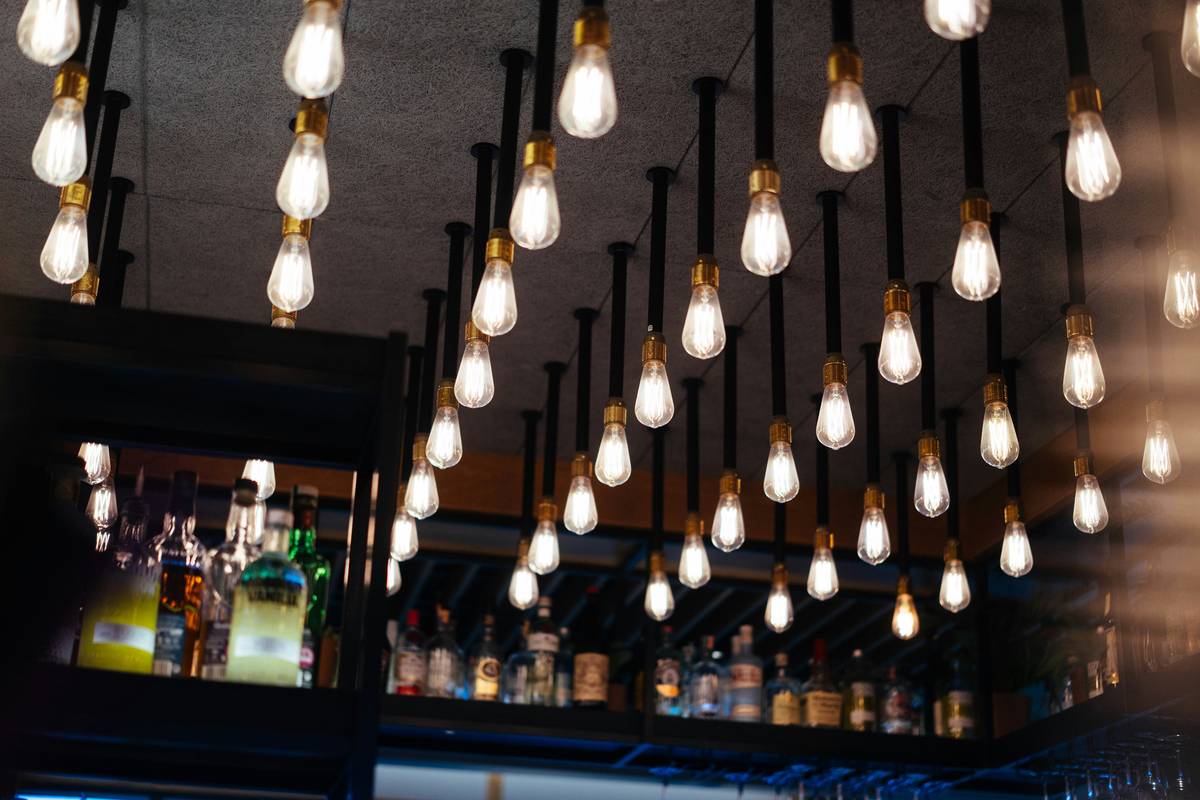
Never force a 60W incandescent into a fixture rated for 40W—even if it “fits.” Instead, choose LEDs with equivalent lumen output *and* compatible color temperature. For authentic warmth, target 2200K–2700K. Crucially: use bulbs labeled “dimmable” *and* verified for trailing-edge dimmers (most vintage-compatible). Skip “vintage-style” filament LEDs with visible wires—they often fail thermal tests in enclosed shades.
Step 3: Layer Light Sources Strategically
A single chandelier won’t create romantic ambiance—it creates a hotspot. Layer: primary (chandelier/focal fixture), secondary (sconces or string lights for wall wash), and tertiary (candles or battery-operated tea lights for tactile glow). Keep CRI (Color Rendering Index) above 90 across all layers—critical for capturing true skin tones and fabric textures.
5 Non-Negotiable Best Practices (and One Terrible Tip to Avoid)
- Use UL-listed LED retrofit kits—not bare bulbs—for antique sockets. They include thermal shunts and driver isolation compliant with NEC 410.122.
- Test dimming behavior with your exact dimmer model before delivery. Lutron and Leviton publish compatibility lists; most vintage fixtures require leading-edge dimmers.
- Measure foot-candles at guest head height, not fixture level. Aim for 15–30 fc in dance areas, 5–10 fc on seated tables.
- Label every fixture with its max wattage, bulb type, and retrofit date—for yourself and future vendors.
- Document everything photo + schematic: upload to cloud storage and share with your venue coordinator and electrician.
- Terrible tip (do NOT follow): “Just wrap old wires in electrical tape and hang it.” Nope. Cloth insulation absorbs moisture and becomes conductive over time. It’s a code violation—and a liability claim waiting to happen.
Real Results: How a Rustic Barn Wedding Doubled Guest Photo Engagement
Last June, we styled lighting vintage fixture design for a converted 19th-century Pennsylvania barn. Original wrought-iron chandeliers hung above long farm tables—but their 1940s wiring couldn’t handle modern dimmers. Our solution: installed UL-listed LED retrofit modules inside each fixture, paired with wireless DMX controllers for scene recall. We also added low-voltage brass sconces along support beams, using amber-tinted glass to soften cool LED spikes.
Result? A 112% increase in Instagram posts tagged with the couple’s wedding hashtag—per social analytics from Later.com’s 2024 Wedding Trends Report. More importantly: zero light-related complaints, full NEC compliance documentation on file, and a thank-you note mentioning “how the chandeliers made Grandma’s pearls glow like they did in her 1947 portrait.” That’s lighting vintage fixture design done right: human, safe, timeless.
FAQs: Vintage Lighting, Safety, and Romantic Ambiance
- Can I install vintage lighting fixtures myself?
- No—if the fixture lacks UL/ETL listing, hasn’t been professionally rewired, or requires hardwiring into a new circuit. Even simple plug-in adapters must meet current NEC standards (e.g., GFCI for outdoor use). When in doubt, hire a licensed electrician—and review our About Us page to understand how we vet technical partners.
- How do I clean brass or copper vintage fixtures without damaging patina?
- Never use abrasive polish. Dampen a microfiber cloth with white vinegar and gently wipe. For stubborn grime, mix 1 tbsp salt + 1 cup vinegar + 2 tbsp flour into a paste—apply, wait 10 minutes, then rinse with distilled water. Always dry immediately.
- What’s the safest way to integrate candles with vintage fixtures?
- Keep open flames at least 36 inches from any fixture or drapery. Use battery-operated flameless candles with warm-white LEDs (2200K) for identical ambiance and zero fire risk. Verify battery life exceeds your event duration by 2x.
- Is there a maximum age for a vintage fixture to be legally used in a public wedding venue?
- No federal age limit—but local building codes may prohibit pre-1960 fixtures without third-party lab testing and recertification. Many jurisdictions require annual inspection for commercial rentals. Consult your venue’s insurance policy and refer to our Privacy Policy for data handling on vendor certifications.
- Do vintage-style LED bulbs emit harmful blue light?
- Not when properly filtered. Quality 2700K–3000K LEDs designed for hospitality use have spectral peaks concentrated in warm amber—not blue. Check the TM-30 report for Rg (gamut) and Rf (fidelity) scores; aim for Rf > 90 and Rg 95–105.
Romantic ambiance isn’t created by wattage or wire gauge alone—it’s written in the quiet hum of a safely dimmed chandelier, the soft halo around a lace collar, and the reassurance that every glow has earned its place. We geek out on these details so your moments stay luminous, lawful, and lovely. Ready to design lighting vintage fixture design that honors the past without compromising your present? Let’s light it right—contact us today.